020 3744 3778
Design your herb garden: creative ideas for every gardener
Posted on 18/08/2025
Design Your Herb Garden: Creative Ideas for Every Gardener
Are you dreaming of having a lush, aromatic, and functional herb garden at home? Whether you have a sprawling backyard, a cozy balcony, or just a sunny windowsill, designing your own herb garden is both a rewarding and creative process. Herbs not only elevate your culinary experiences but also add a touch of greenery and life to any space. In this comprehensive guide, you'll find inspiration, essential tips, and creative ideas to start designing a vibrant herb garden tailored to your needs--no matter your gardening expertise or space limitations.
Why Start Your Own Herb Garden?
- Fresh Flavors: Enjoy the convenience and unbeatable taste of freshly picked herbs in your meals.
- Health Benefits: Many herbs are packed with nutrients and medicinal properties.
- Aesthetic Appeal: Herbs feature varied colors, fragrances, and textures to enhance your home's style.
- Eco-Friendly: Grow your own and reduce the need for store-bought, packaged herbs.
- Therapeutic Value: Gardening provides relaxation and mental well-being.
Choosing the Right Location for Your Herb Garden Design
A successful herb garden design starts with choosing the ideal location. Most herbs need at least 6 hours of sunlight daily, so pick a sunny spot whether indoors or outdoors. Consider factors like
- Convenience: Plant herbs close to the kitchen for easy access while cooking.
- Protection: Place the garden where it's sheltered from harsh winds or heavy rainfall.
- Drainage: Ensure the soil or pots don't retain excess water, as most herbs dislike soggy roots.
Creative Herb Garden Design Ideas for Every Space
1. Classic Ground Beds for Traditional Gardens
Designing a herb garden in the ground provides ample space for creativity and growth. Raised beds or border plantings allow for neat rows, groupings by use (culinary, medicinal), or even patterned herb spirals for a visually stunning effect.
- Herb Spiral: Construct a spiral mound with stones or bricks, planting sun-loving herbs at the top and those preferring more moisture and shade toward the bottom. This maximizes space and creates a beautiful focal point.
- Themed Beds: Create a Mediterranean herb bed with oregano, sage, and rosemary, or an Italian kitchen garden with basil, parsley, and thyme.
- Formal Patterns: Design geometric shapes with paths between beds for a classic look.
2. Container Herb Gardens: Flexible and Versatile
If you have limited space or want a portable herb garden, container gardening is your answer. Pots, planters, baskets, and troughs provide endless options for both indoor and outdoor settings.
- Colorful Planters: Group herbs with similar water needs in decorative containers on your patio or balcony.
- Hanging Baskets: Grow trailing herbs like thyme, oregano, and mint in hanging baskets to maximize vertical space.
- Herb Window Boxes: Install window boxes with a mix of vibrant herbs--it's perfect for sunny kitchen windows.
- DIY Recycled Containers: Repurpose tin cans, teacups, or wooden crates for a quirky, eco-friendly herb display.
3. Vertical Herb Gardens: Go Up, Not Out
Limited on ground area? Vertical gardening is a popular, modern approach to herb garden design for small spaces. These gardens are not only functional but also serve as living art pieces.
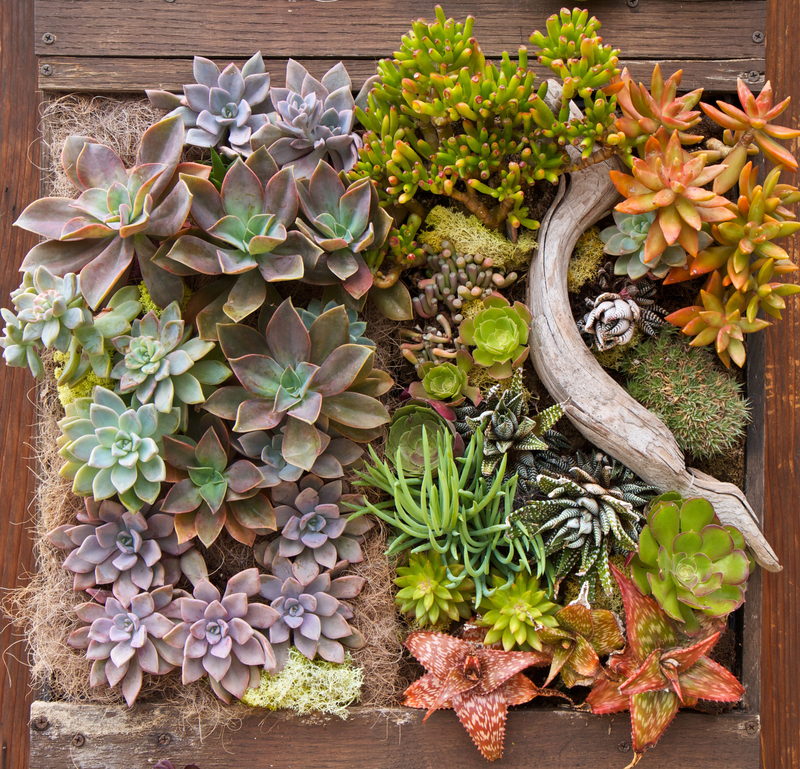
- Pallet Walls: Attach pots or plant pockets to a recycled pallet for a rustic vertical herb garden.
- Hanging Shoe Organizer: Transform a canvas shoe organizer into a wall of herbs by filling each pocket with potting soil and seedlings.
- Living Walls: Specialty vertical planting kits are available for a sleek, organized look on fences or indoor walls.
- Trellises and Frames: Secure small pots or troughs onto trellises, ladders, or wire frames for a customizable display.
4. Indoor Herb Gardens: Year-Round Harvests
No outdoor space? No problem! Indoor herb gardens thrive in well-lit kitchens, sunrooms, and even on shelves. Self-watering pots, LED grow lights, and hydroponic systems can extend your growing season and ensure lush herbs all year round.
- Sunny Windowsills: Choose herbs like basil, chives, and parsley for your sunniest indoor spots.
- Countertop Herb Gardens: Use compact containers or countertop hydroponic kits for a low-maintenance, modern herb garden.
- Kokedama Balls: Try this Japanese technique by wrapping herb roots in moss balls and hanging them for a unique, artistic display.
- Multi-Tiered Stands: Place tiered shelves near windows to maximize planting space vertically inside your home.
5. Creative and Themed Herb Gardens
Get innovative by designing a garden tailored to your interests or lifestyle:
- Tea Garden: Plant chamomile, mint, lemon balm, and lavender for fresh, homemade herbal teas.
- Pediatric Sensory Garden: Use fragrant and textured herbs like basil, mint, lemon thyme, and lamb's ear to create an interactive space for children.
- Pollinator-Friendly Herb Garden: Interplant flowering herbs such as borage and chives to attract bees and butterflies.
- Aromatic Pathways: Line walkways or patios with creeping thyme or rosemary--releasing fragrance as you walk by.
- Shaded Herb Garden: If you have less sunlight, select shade-tolerant herbs like parsley, chervil, or cilantro.
Tips for Planning and Designing Your Herb Garden
To ensure your herb garden layout thrives, consider these key planning principles:
- Group by Watering Needs: Place thirstier herbs (such as basil and mint) together, while drought-tolerant herbs like thyme and rosemary can be grouped separately.
- Mind the Heights: Plant taller herbs (like dill or fennel) at the back of beds or center of spirals, with shorter varieties at the edges for easy access and an attractive tiered effect.
- Succession Planting: Stagger plantings for continual harvests of fast growers, such as basil and cilantro.
- Accessibility: Design paths or spacing so you can reach every plant for harvesting and maintenance.
- Use Good Quality Soil: A well-draining, compost-enriched mix keeps your herbs healthy and productive.
Essential Herbs to Include in Your Garden
- Basil: Great for Italian and Asian cuisine, needs plenty of warmth and sunlight.
- Parsley: Hardy and versatile, perfect for garnishing and salads.
- Rosemary: Woody and fragrant; excellent for roasted dishes and grilling.
- Mint: Fast-growing and ideal for teas, desserts, and cocktails--though best grown in containers to control spreading.
- Thyme: Evergreen, low-maintenance, and a staple in many dishes.
- Cilantro/Coriander: Popular in Latin and Asian recipes, prefers cooler temperatures.
- Sage: Tough perennial with a savory, earthy flavor.
- Chives: Mild onion taste and beautiful purple flowers.
- Dill: For pickling, salads, and fish, with feathery foliage and a tall growth habit.
Don't Forget Uncommon and Decorative Herbs
- Lovage: Strong celery-like flavor--great in soups and stocks.
- Lemon Balm: Offers a bright, lemony scent for teas and desserts.
- Edible Flowers: Nasturtiums, borage, and calendula double as blooms and flavorful enhancements for salads and desserts.
Herb Garden Maintenance and Care
Keeping your herb garden healthy and productive doesn't have to be time-consuming. Here are top tips on care:
- Watering: Herbs prefer deep, infrequent watering. Overwatering can lead to root rot.
- Pruning: Regularly pinch back growing tips to encourage bushier growth and more abundant leaves.
- Harvesting: Snip only up to one-third of the plant at a time to allow for regrowth.
- Feeding: Herbs are generally light feeders--an application of compost or organic fertilizer a couple of times during the growing season usually suffices.
- Pest Control: Use natural remedies like neem oil, or attract beneficial insects to manage aphids and other pests.
- Mulching: A thin layer of organic mulch can help retain moisture and suppress weeds in outdoor beds.
Year-Round Herb Gardening Secrets
With a little planning, you can enjoy fresh herbs all year long:
- Overwintering Hardy Herbs: Rosemary, sage, and thyme can survive mild winters outdoors. Apply mulch and protect them from extreme cold if needed.
- Bringing Pots Indoors: Move tender herbs inside before the first frost and continue growing them on sunny windowsills.
- Successive Sowing: Plant seeds of fast-growing herbs every few weeks for a continuous supply of tender sprouts and leaves.
Common Questions About Designing an Herb Garden
- What herbs grow best together?
- Mediterranean herbs (rosemary, thyme, oregano, sage) thrive together with similar water and sun needs.
- Basil, parsley, and cilantro like richer, consistently moist soil.
- Keep mint in a separate container as it can quickly take over other herbs.
- Can I grow an herb garden indoors?
- Yes! Choose sunny windows or supplement with grow lights. Use pots with good drainage and turn them regularly so plants grow evenly.
- How do I keep my herb garden thriving?
- Regular harvesting, proper watering, and occasional feeding keep herbs productive and healthy throughout the season.
Conclusion: Start Designing Your Dream Herb Garden Today
Creating your own herb garden--whether on a large lot, balcony, or even a windowsill--unlocks a world of culinary delight, health benefits, and creative satisfaction. From classic garden beds to space-saving vertical gardens and unique themed displays, there's an herb garden design to fit every gardener's style and space. Use the ideas and tips above to design a garden that is both beautiful and bountiful, tailored exactly to your needs.
Now is the perfect time to start planning and planting your unique herb garden. With a bit of creative design, you'll soon have fresh, fragrant herbs at your fingertips year-round. Happy gardening!
Latest Posts
A Step-by-Step Plan to Create Lush Seating Areas in Your Garden
Orchid Insider: Tips for Blooming Masterpieces
Plan a Garden That's Safe and Inviting for Kids