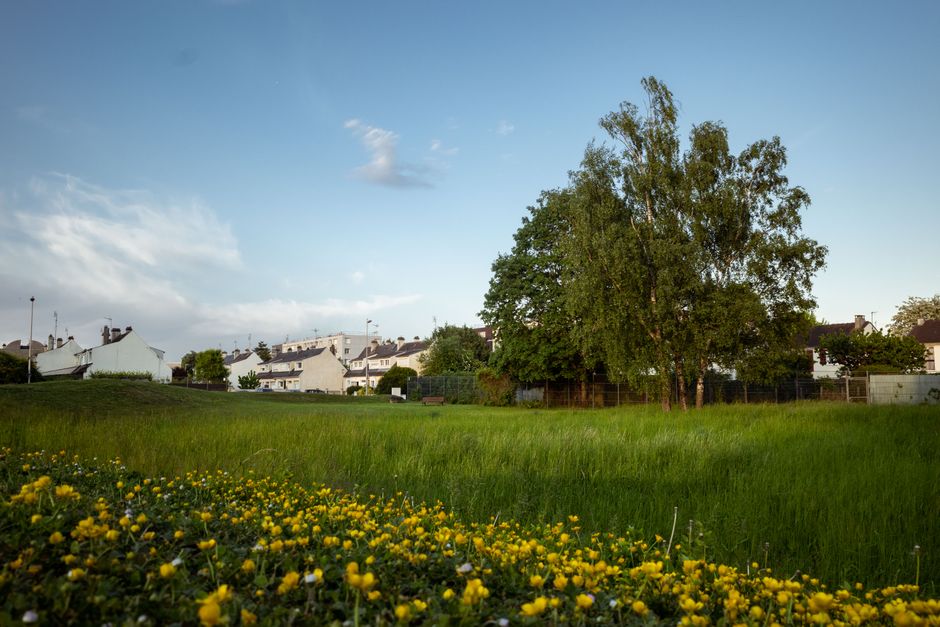
London Fields border plant care by De Beauvoir Town gardeners
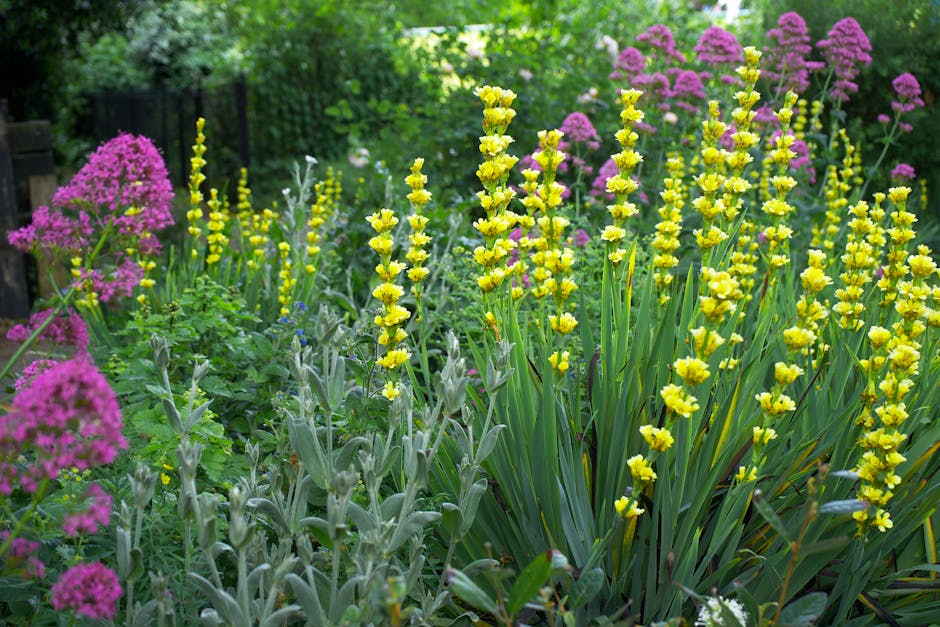
If your border beds in London Fields are starting to look a little tired, overcrowded, or plain awkward after a long season of rain, shade, and fast-moving growth, you are not alone. Border planting in a busy London garden asks a lot of the soil and the plants. It needs structure, colour, resilience, and a maintenance rhythm that fits real life. That is exactly where London Fields border plant care by De Beauvoir Town gardeners comes in: practical, local, and tuned to the way small urban gardens actually behave.
In this guide, we will walk through what makes border care different, how experienced gardeners approach it, where people tend to go wrong, and what you can do to keep borders attractive without turning the whole thing into a weekend chore. We will also cover plant selection, soil care, edging, seasonal jobs, and the sensible moments when a professional hand saves time and stress. Let's face it, borders are where a garden either feels polished or a bit lost.
Why London Fields border plant care by De Beauvoir Town gardeners matters
Border planting is not just decoration. In a London garden, a border often does several jobs at once: it frames the space, softens hard edges, hides fences, supports wildlife, and gives the whole garden a sense of rhythm. When border plants are neglected, everything else can start to feel a bit flat. Weedy gaps appear, shrubs get woody, perennials flop over, and the whole area loses that layered look people usually want.
London Fields gardens tend to face a few familiar pressures. There is the typical urban challenge of limited space, nearby buildings that create shade or shelter, and pockets of wind that can dry things out faster than expected. Then there is foot traffic, pets, watering habits that drift with the seasons, and the simple reality that many border plants are expected to perform for a long time without much fuss. That is quite a lot.
De Beauvoir Town gardeners usually approach border care with a practical eye. They look at what the border is trying to do before deciding how to maintain it. Is it meant to be colourful through summer? Evergreen through winter? Low maintenance? Wildlife-friendly? A border for narrow town gardens is rarely "one plant, one problem solved." It is usually a living composition that needs balanced care.
A good border also improves the soil over time. Regular mulching, selective pruning, and sensible feeding can transform tired planting into something much healthier. If you are already thinking about broader garden care, the approach often overlaps with routine garden maintenance and even broader seasonal tasks such as landscaping support where beds need reshaping or a more defined layout.
And yes, a well-kept border often saves money in the long run. Not by magic. By reducing plant loss, preventing weeds from taking over, and helping you spot problems early. Simple, but true.
How London Fields border plant care by De Beauvoir Town gardeners works
Think of border care as a cycle rather than a single service. It starts with observation, moves into soil and plant correction, and finishes with regular upkeep that keeps the whole thing moving in the right direction. In practice, the work tends to follow the same broad pattern, although the details change from one garden to another.
1. Assess the border properly
A careful assessment looks at light levels, soil texture, drainage, plant spacing, weed pressure, and the amount of seasonal movement in the bed. Some borders in London Fields are sun-trapped in summer but shady by late afternoon. Others sit under mature trees or close to a fence that steals moisture. You cannot maintain what you have not properly read.
2. Decide what needs keeping, replacing, or reshaping
Not every plant deserves a rescue mission. Some are worth saving with pruning and improved feeding. Others have simply outgrown the space, become too leggy, or stopped earning their keep. A De Beauvoir Town gardener will usually suggest keeping the backbone plants, refreshing weak areas with better-suited varieties, and removing anything that is crowding the border without offering much in return.
3. Improve the soil before chasing the plants
It is tempting to focus on flowers first. But if the soil is compacted, starved, or drying out, the border will keep looking tired no matter how many new plants you buy. This is where compost, organic matter, and surface mulching do real work. For readers interested in building healthier soil naturally, the article on how organic waste can improve soil is a useful companion piece.
4. Prune with purpose
Pruning border plants is not about making everything short. It is about shaping growth so light can reach lower stems, flowers can keep coming, and plants do not collapse into one another. Some plants respond well to a light trim after flowering; others need dead stems cut out in late winter. A knowledgeable gardener keeps the shape gentle and avoids overcutting, which can leave gaps that take months to recover.
5. Replant or underplant where needed
In many borders, the smartest fix is not a total redesign. It is targeted replanting. That may mean replacing a weak patch with drought-tolerant perennials, adding ground cover to suppress weeds, or introducing evergreen structure for winter interest. If you are weighing up ideas for low-growing fillers, ground cover planting ideas can be especially helpful.
6. Maintain through the seasons
Once the border is set up well, regular visits become about small actions: deadheading, edging, staking, feeding, weeding, and checking for pests or disease. A little and often is the phrase here. Truth be told, borders rarely fail in one dramatic moment; they usually fade through a series of tiny delays.
Key benefits and practical advantages
Good border care does more than keep things tidy. It changes how the whole garden feels and works.
- Sharper visual structure: Clean border lines and layered planting make small gardens feel more intentional.
- Healthier plants: Better airflow, less competition, and improved soil usually lead to stronger growth.
- Longer flowering seasons: With the right pruning and feeding rhythm, borders can keep colour going for months.
- Fewer weeds: Dense, well-managed planting and mulch reduce open space for weeds to settle in.
- Better privacy and screening: In urban gardens, borders can soften sightlines and create calmer corners.
- Lower maintenance over time: A border set up correctly is easier to manage than one constantly being rescued.
There is also a quieter benefit people do not always mention. A good border makes the whole garden easier to enjoy. You stop noticing the messy edge first. You notice texture, movement, and that one plant catching the evening light. Small thing, big difference.
If your border care is tied to a wider refresh, it may also be worth looking at services such as lawn care or patio cleaning so the planting and hard landscaping feel balanced rather than separately patched up.
Who this is for and when it makes sense
Border plant care is useful for a surprisingly wide range of people. You might assume it is only for keen gardeners, but that is not really the case.
- Homeowners with front or back borders who want a neat, attractive finish without constant replanting.
- Busy households that need a border to look good but not demand attention every other day.
- New garden owners trying to work out what is worth keeping and what should be replaced.
- People with shady, windy, or awkward plots where plant choice makes all the difference.
- Anyone preparing a property for sale or rental and wanting the garden to feel cared for.
It also makes sense if you are tired of tackling the same patch over and over. If the border keeps failing in the same places, that is usually a design or soil issue, not bad luck. A garden can be beautiful and practical. It just needs the right plan.
For neglected spaces, a stronger reset may be the better first move. The guide on where to start with a neglected garden can help if your border is only one part of a bigger cleanup.
Step-by-step guidance
Here is a practical way to approach London Fields border plant care without getting overwhelmed.
- Start with a slow walk along the border. Look for bare patches, leaning stems, weeds, yellowing leaves, and signs of stress near the edges.
- Check the soil. If it is hard, dusty, or waterlogged, solve that first. Good borders begin below the surface.
- Remove dead, diseased, or exhausted growth. This clears space and helps you see the actual structure of the planting.
- Cut back carefully. Use plant-specific pruning rather than a one-size-fits-all chop. Some shrubs love a trim. Others do not.
- Feed and mulch. A layer of compost or well-rotted organic matter helps retain moisture and improve soil texture.
- Replant thin areas. Choose species that suit the light and moisture conditions, not just what looks nice in a shop pot.
- Edge the border. A clean edge instantly sharpens the look and helps separate planting from lawn or path.
- Set a maintenance rhythm. A monthly check in the growing season often prevents bigger problems later.
If your border sits near a wall or fence, it may also benefit from vertical interest. Climbing plants, trained shrubs, or carefully selected evergreens can create height without taking over the bed. For shaded areas, evergreen climbers for shade can be a smart solution. For privacy-led borders, it may be worth reading about quick-growing hedge options as well.
One thing to remember: borders do not need everything at once. A well-timed adjustment in spring, a summer tidy-up, and a proper autumn prep can be enough to keep them looking composed. Not fancy. Just consistent.
Expert tips for better results
Here are the little decisions that tend to make the biggest difference.
- Mix texture, not just colour. A border with different leaf shapes, heights, and seasonal habits looks richer and stays interesting even when flowers pause.
- Prioritise structure first. Evergreen shrubs, upright grasses, and repeat planting create a backbone that holds the design together.
- Leave breathing room. Plants often look too sparse when newly planted, but they fill in faster than you think. Overcrowding is a classic mistake.
- Mulch after soil prep, not before. It sounds obvious, but rushing this step means you trap weeds or miss compaction beneath the surface.
- Use seasonal timing. In London, the weather can be mild one week and irritatingly cold the next. A flexible schedule beats a rigid one.
- Watch the water line. Some borders dry at the front and stay damp at the back. That unevenness matters more than many people realise.
There is also a design trick worth stealing: repeat the same plant or colour theme in more than one place. It creates calm. If you like that kind of composed look, calming garden ideas can spark a few useful ideas for the whole outdoor space.
And if you are building borders around a seating area, the planting should not only look good from a distance. It should frame the space, soften noise, and feel comfortable when you are actually sitting there with a cup of tea. That sounds small. It is not small at all.
Common mistakes to avoid
Border issues often come from doing ordinary things a bit too fast.
- Choosing plants for appearance only. A gorgeous plant that hates your soil or light will become a problem quickly.
- Cutting everything back at once. This can remove seasonal interest and leave a gap that feels harsh rather than tidy.
- Ignoring soil health. Plants look temporary when the root zone is struggling.
- Overfeeding. Too much fertiliser can force weak, soft growth that collapses or invites pests.
- Leaving edging too long. Once borders blur into lawns or paths, the whole garden starts to lose definition.
- Planting too close together. It may look full at first, but airflow drops and maintenance gets harder.
- Forgetting winter structure. A border that only works in June will feel disappointing by November.
One very human mistake? Buying more plants to solve a spacing issue created by poor pruning. We all do it sometimes. The border does not need another impulse purchase; it needs a bit of judgement.
Tools, resources and recommendations
You do not need a shed full of specialist equipment, but a few reliable tools make border care much easier.
- Secateurs: for light pruning, deadheading, and tidying smaller stems.
- Border fork: useful for loosening compacted soil without disturbing roots too much.
- Hand fork and trowel: ideal for planting, weeding, and working compost into small areas.
- Sharp edging tool: helps maintain the clean line between border, lawn, or path.
- Canes and soft ties: handy for tall perennials or plants that lean after heavy rain.
- Mulch and compost: not glamorous, but essential.
For newer gardeners, it can help to brush up on basic technique before tackling a full border reset. A practical place to start is these practical gardening tips for beginners and the guide on must-have gardening tools.
If your border includes herbs or compact edible planting, the advice changes a little. Herbs prefer good drainage, light pruning, and careful watering rather than rich, wet soil. You can find inspiration in herb garden ideas and adapt them for a mixed border.
For service support, many homeowners prefer to pair border work with broader upkeep such as general gardening services or targeted hedge trimming where the boundary planting has become overgrown and uneven.
Law, compliance, standards, or best practice
Border plant care is not usually a heavily regulated activity, but there are still sensible standards and duties to keep in mind when work is carried out in a domestic garden. Any professional gardener should use safe working methods, suitable personal protective equipment, and care around tools, chemicals, and lifting. If you are hiring help, it is reasonable to ask how they manage those basics.
It is also good practice to think about access, neighbour boundaries, and waste handling. For example, cuttings and soil should be managed responsibly, and if work affects shared fences or adjoining planting, communication matters. That is not bureaucracy; it is just good garden manners.
Where herbicides or stronger treatments are considered, a cautious approach is best. Many border problems can be solved without reaching for chemicals, especially through better soil health, mulching, hand weeding, and plant selection. In a crowded urban setting, keeping things simple and low-risk is usually the smarter route.
For customers who want reassurance around service standards, it can be useful to review pages such as health and safety policy, insurance and safety, and terms and conditions. Those pages help set expectations in plain English.
Options, methods, or comparison table
If you are deciding how to approach border care, the right method depends on the condition of the bed and how much time you want to spend maintaining it afterwards.
| Method | Best for | Strengths | Trade-offs |
|---|---|---|---|
| Light seasonal tidy-up | Borders in decent condition | Fast, low disruption, keeps the border neat | Won't fix deeper soil or plant-spacing problems |
| Soil improvement and replanting | Tired or patchy borders | Strong long-term improvement, better plant performance | Needs more planning and a bit of patience |
| Border redesign | Overcrowded or outdated beds | Best for a full reset and new structure | More cost, more disruption, more decisions |
| Ongoing maintenance plan | Busy homeowners who want consistency | Keeps borders looking polished across the year | Requires regular visits or a service agreement |
If the border is linked to a larger outdoor refresh, the choice may also affect other features nearby. For example, a new border often works best alongside fence improvements, decking updates, or a reshaped layout. In those cases, fencing work or decking services may be part of the bigger plan.
Case study or real-world example
Picture a narrow rear garden in London Fields: a long border along one side, part sun, part shade, and a mix of shrubs that had clearly been planted with good intentions years ago. The trouble was that the middle section had become bare, the front edge was swallowed by weeds, and one evergreen shrub had taken over more than half the bed. Very common, actually.
The first step was not to add more plants. It was to simplify. The overgrown shrub was reduced carefully, dead stems were removed, and the soil was improved with compost. The border edge was redefined so it no longer bled into the lawn. Then the empty spaces were replanted with a mix of shade-tolerant fillers and a few stronger structural plants that would hold interest through winter.
Within a few weeks, the whole area felt calmer. Not perfect. Garden work rarely is. But it looked intentional again, and the owners could finally see where to focus next. A later visit handled the rest: a light trim, a bit more mulching, and a better watering routine through a dry spell in late spring. That sort of follow-through matters more than dramatic before-and-after moments.
If your own garden has a similar "half-finished" feel, the lesson is simple: start with structure, not shopping. Then build outward.
Practical checklist
Use this quick checklist if you want to review your border before deciding on the next step.
- Check whether the border gets enough light for the plants currently in it.
- Look for compacted, dry, or waterlogged soil.
- Remove dead foliage, failed plants, and obvious weeds.
- See whether any plants are overcrowded or leaning heavily.
- Decide if the border needs tidying, feeding, replanting, or a full reset.
- Add compost or mulch where the soil looks tired.
- Trim edges so the border has a clean outline.
- Identify one structural plant or evergreen feature that can anchor the design.
- Plan a seasonal follow-up rather than waiting until the bed looks messy again.
- Ask for help if the area has become too large, too shaded, or too technical to manage alone.
For wider support beyond the border itself, you may also want to explore about the team, pricing and quotes, or simply get in touch through the contact page when you are ready.
Get a free quote today and see how much you can save.
Conclusion
Well-cared-for borders do a lot of quiet work in a London garden. They bring shape, reduce visual clutter, support healthier planting, and make the whole outdoor space feel more settled. With London Fields border plant care by De Beauvoir Town gardeners, the goal is not to force a perfect look. It is to build a border that suits your space, your soil, and your actual routine.
Start with the basics: honest assessment, better soil, sensible pruning, and a maintenance rhythm you can keep. If the border needs a fuller reset, take that as a design opportunity rather than a setback. Gardens are patient, even when we are not.
And if you get the feeling that your border is asking for a proper rethink, trust that instinct. It usually knows more than we do.
Frequently Asked Questions
What is included in border plant care?
Border plant care usually includes weeding, pruning, deadheading, soil improvement, mulching, edging, plant replacement, and seasonal checks. In some cases it also involves reshaping the planting scheme so the border suits the site better.
How often should border plants be maintained in London Fields?
Most borders benefit from light attention every few weeks during the growing season, with more thorough work in spring and autumn. If the border has fast-growing plants or heavy weed pressure, more frequent visits may be useful.
Can a border be kept low maintenance?
Yes. The trick is choosing the right plants, spacing them properly, and building good soil from the start. Evergreen structure, hardy perennials, and mulch can all reduce the amount of work needed later.
What are the biggest reasons borders fail?
Common causes include poor soil, wrong plant choice, overcrowding, lack of pruning, and inconsistent watering. In city gardens, shade and wind can also cause problems if they are not taken into account.
Should I remove all old plants and start again?
Not always. Sometimes a border only needs selective pruning, soil improvement, and a few new plants. A full reset makes sense when the planting is badly overgrown, poorly designed, or repeatedly failing in the same spots.
Is compost better than fertiliser for border beds?
In many borders, yes. Compost improves soil structure as well as feeding the plants. Fertiliser can help in some cases, but it does not replace healthy soil. For long-term results, organic matter usually does more useful work.
What should I do about weeds in a planted border?
Hand weeding, mulching, and keeping the soil covered are the best starting points. Once the border plants are properly spaced and healthy, weeds often become much less of a problem.
Do I need professional help for border plant care?
If the border is small and manageable, you may not. But if it is overgrown, difficult to access, or part of a larger garden project, professional help can save a lot of time and prevent costly mistakes.
How do I keep a border looking good in winter?
Focus on structure. Evergreen plants, grasses, seed heads, and well-pruned shrubs help maintain shape through colder months. A good autumn tidy-up also makes a big difference before winter sets in.
Can border care improve privacy?
Yes. Layered planting, taller shrubs, and carefully chosen hedges can screen views and make a garden feel more enclosed. For some spaces, privacy planting is just as important as colour.
What is the best first step if my border looks messy?
Start by removing weeds and dead material, then assess the soil and plant spacing. That gives you a clear view of what is actually happening in the bed before you decide whether to tidy, replant, or redesign.
How do I know if my border needs a redesign instead of a tidy-up?
If the same problems keep returning, such as bare patches, overcrowding, poor flowering, or constant weed invasion, a redesign may be the more practical answer. Sometimes maintenance alone cannot fix a poor layout.