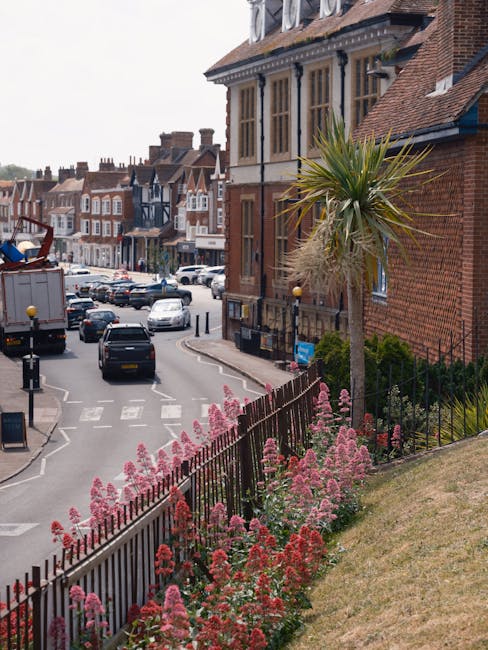
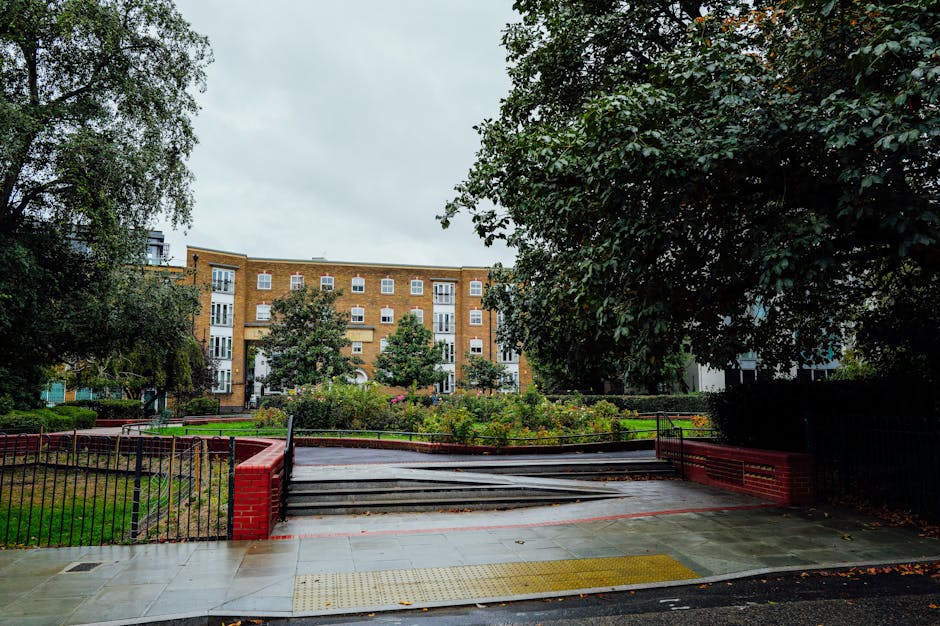
De Beauvoir Square front garden ideas from local gardeners
Front gardens around De Beauvoir Square have a particular charm: they sit close to the pavement, catch the eye in seconds, and need to work hard all year. That means the best De Beauvoir Square front garden ideas from local gardeners are rarely the flashiest ones. They are the ideas that balance kerb appeal, privacy, easy maintenance, and the realities of London weather. If your front plot is tiny, shaded, exposed to wind, or simply a bit awkward, you are not alone. Most local gardens are like that, truth be told.
This guide pulls together practical thinking from experienced gardeners and turns it into usable advice. You will find layout ideas, planting choices, maintenance tips, and a simple plan for making a front garden look cared for without turning it into a full-time job. If you want a more tailored approach later, you can also explore the site's gardening services and landscaping support, but first let's get the basics right.
Practical takeaway: the best front gardens in this part of London usually feel tidy, layered, and personal. Not overdone. Just well judged.
Why De Beauvoir Square front garden ideas from local gardeners Matters
Front gardens do more than decorate a house. In a place like De Beauvoir Square, they help shape the feel of the whole street. A good front garden softens hard brick and paving, frames the entrance, and quietly tells visitors that the property is cared for. That matters if you are hoping for a welcoming first impression, but it also matters on a very ordinary level: a thoughtful layout saves time, reduces mess, and makes maintenance less of a chore.
Local gardeners tend to think differently from generic garden advice sites. They know that London front gardens are often narrow, exposed to traffic dust, patchy shade, and occasional dry spells. They also know that residents usually want something realistic. Not a show garden. Not a jungle. Something you can keep looking good while still getting on with life.
There is also a wider practical reason. A front garden can help with drainage, reduce glare from hard surfaces, and soften the noise of a busy road. Even a modest planting scheme can make a space feel calmer. If you want that calm, the ideas in this calming garden guide are worth a look alongside the advice here.
And let's be honest: when the first thing you see in the morning is a bit of green, the whole day starts differently. Small thing. Big effect.
How De Beauvoir Square front garden ideas from local gardeners Works
The best front garden plans begin with observation, not shopping. Local gardeners usually start by asking a few simple questions: How much sun does the front receive? Is the soil free-draining or heavy? How much privacy do you actually need? Will the space need to cope with pets, pushchairs, or frequent foot traffic? Once those practical factors are clear, the design starts to shape itself.
In most cases, a front garden scheme works by combining four layers:
- Structure: the hard or fixed elements such as edging, low walls, paving, steps, fences, or trellis.
- Evergreen backbone: shrubs, climbers, or hedging that keep the space looking presentable in winter.
- Seasonal interest: bulbs, perennials, and flowers that bring colour and movement.
- Maintenance logic: enough open space to weed, water, cut back, and clean without wrestling the planting every weekend.
That last point is where local experience really shows. A front garden that looks lovely in April but collapses into weeds by August is not a win. A properly planned space should still look tidy after a wet week, a windy spell, and that one Saturday when you simply did not get round to anything.
For many homes, the solution is a mix of soft planting and strong boundaries. If privacy is a concern, a compact hedge or climber can do a lot of heavy lifting. You can see how that approach works in the site's guide to quick-growing hedges for privacy and the piece on evergreen climbers for shady areas.
Key Benefits and Practical Advantages
A well-designed front garden offers more than appearance. Local gardeners usually point to these benefits first, because they are the ones you actually live with day to day.
- Better first impressions: a neat entrance can make even a modest home feel more polished.
- Lower maintenance over time: good plant selection reduces the amount of weeding, pruning, and replacing.
- More privacy without feeling boxed in: low hedges, layered planting, and carefully placed climbers can soften sightlines without creating a fortress.
- Year-round structure: evergreens and shaped planting keep the space from looking bare in winter.
- Better use of small areas: narrow gardens can feel larger when broken into zones.
- Support for biodiversity: pollinator-friendly planting gives bees and other insects a place to work, even in compact plots.
There is a practical beauty to simple ideas. A gravel bed with a few well-chosen shrubs can look smarter than an overstuffed border. A pair of matching containers can do more for symmetry than a dozen fussy ornaments. I know that sounds almost too obvious, but it is where people often go wrong. They add one thing too many. Then another. Then it starts looking crowded.
If sustainability matters to you, the site's article on gardening and sustainability gives a useful wider context, while using organic waste to improve soil shows how local gardens can become healthier without relying on constant inputs.
Who This Is For and When It Makes Sense
These ideas suit a wide range of homeowners and renters, but they are especially useful if any of the following sound familiar:
- Your front garden is small and feels hard to style.
- You want more privacy from the street without blocking light.
- The space looks bare in winter.
- You have inherited a neglected front garden and do not know where to begin.
- You want the front of the house to feel more welcoming without creating a high-maintenance project.
- You have children, pets, or older family members using the front path regularly.
It also makes sense if you are planning to sell or let a property. People do notice the front of a house. Not in a dramatic way, but in that quiet, instant judgment we all make. Is this place cared for? Does it feel safe? Does it look easy to live with?
If you are completely new to gardening, start simple. The guide for new gardeners is a good companion piece. And if your front garden is already overgrown, the practical advice on reviving a neglected garden can help you avoid that frozen-in-place feeling.
Step-by-Step Guidance
Here is a simple, local-gardener approach you can actually follow without getting lost in decisions.
1. Assess the space honestly
Stand outside and look at the garden from the pavement, the doorway, and one step back from the road. Notice the obvious things: sun, shade, wind, wet patches, sightlines, and the route people naturally take. You are not designing for a magazine spread. You are designing for real life.
2. Decide what the garden must do
Every front garden has a job. Some need privacy. Some need to look smart with almost no maintenance. Others must hold wheelie bins, bikes, or a path to the front door. Choose two or three priorities at most. If everything is a priority, nothing is.
3. Keep the structure simple
Use one or two strong hardscape decisions rather than several competing ones. That might be a small paved path, low edging, or a neat boundary. If you are considering bigger changes, local help with landscaping can save a lot of back-and-forth later.
4. Build from the boundary inward
Start with the edge closest to the pavement or path. This is where crisp definition matters most. A low hedge, evergreen shrub line, or neat gravel strip can create order immediately. For shaped hedging, there is useful reading in hedge shaping techniques and practical local hedge care through hedge trimming in De Beauvoir Town.
5. Add planting with a purpose
Choose plants for a job, not just because they look good on a label. Ground-cover plants help suppress weeds and soften edges. Compact shrubs offer shape. Climbers make fences and walls feel less harsh. The article on ground covers for UK gardens is helpful if you want options that behave properly in a front setting.
6. Introduce one feature only if it earns its place
A single bench, a tall pot, a bird bath, or a sculptural planter can work well. But only if it fits the scale. In a small front garden, every object should justify itself. Otherwise it starts to feel cluttered, and nobody wants that.
7. Plan maintenance from day one
It is much easier to make a garden low-maintenance at the beginning than to rescue one later. Think about watering access, pruning times, litter from the street, and how easily you can weed around the planting. If you want ideas that keep effort sensible, the site's low-maintenance gardening tips are especially relevant.
Expert Tips for Better Results
Local gardeners tend to rely on a few principles that sound simple but make a big difference over time.
- Repeat plants for calm: using three or four species repeated through the border looks more settled than a random mix of one of everything.
- Use evergreen structure sparingly: one or two strong evergreens can anchor the design without overwhelming the space.
- Choose plants that suit the site, not the wish list: shady site? Do not insist on sun-lovers. Windy street? Pick tougher plants.
- Keep paths clear: front gardens age badly when the route in becomes awkward, muddy, or crowded.
- Work with containers where needed: they are useful for renters, awkward soil, and seasonal flexibility. The guide to starting a container garden is a good refresher.
- Protect the space in winter: simple fleece, mulch, and sensible cutting back can prevent a lot of losses. The article on protecting plants from winter weather is worth bookmarking.
A small note from experience: front gardens usually look best when they are slightly restrained. There is a temptation to keep adding colour, but structure does more work than people expect. You notice it especially in early spring, when the place feels tidy even before everything has properly woken up.
If wind is a problem, use planting and layout to break it up rather than trying to fight it head-on. The site's article on wind minimisation in gardens is a useful companion to this topic.
Common Mistakes to Avoid
These are the errors local gardeners see again and again in front gardens.
- Overcrowding the space. Front gardens need breathing room. Too many plants or features make them look smaller.
- Choosing high-maintenance plants for a low-maintenance brief. Gorgeous, yes. Practical, maybe not.
- Ignoring winter appearance. A front garden should not collapse visually from November to February.
- Using too much bare soil. Bare ground invites weeds and can look unfinished fast.
- Blocking access with planting or ornaments. A front path must stay easy to use, especially in wet weather.
- Forgetting the view from inside the house. You see the front garden from indoors too. That view matters more than people think.
- Starting with materials before a plan. Buying random paving or plants first usually creates compromise later.
The weed problem deserves its own mention. Once weeds settle into a front border, they tend to become permanent little tenants. The article on effective weed control is a sensible place to start if that sounds familiar.
And one more thing: do not chase perfection. A front garden that looks lived in, healthy, and tidy is better than one that looks overworked. Honestly, that is the sweet spot.
Tools, Resources and Recommendations
You do not need a shed full of equipment to improve a front garden, but a few basics make the work cleaner and faster.
- Hand fork and trowel: for planting, edging, and lifting weeds.
- Bypass pruners: for tidy cuts on shrubs and perennials.
- Spade and border spade: useful for digging, lifting, and reshaping edges.
- Rake and stiff broom: especially useful on gravel or paved front gardens.
- Watering can or hose access: important for newly planted schemes.
- Gloves and knee protection: small comforts, but they matter after an hour or two.
If you are assembling a small kit, the article on must-have gardening tools will help you avoid buying things you will never use. For more plant-care ideas, herb garden design ideas and orchid care tips are useful if you enjoy adding special features in containers or sheltered spots.
If the front garden includes a lawn, keep expectations realistic. Small front lawns can look great, but they need care. The site's lawn care and lawn mowing pages are relevant if you prefer a neat green opening rather than a planted-only scheme.
Law, Compliance, Standards, or Best Practice
Front garden changes are usually straightforward, but it is still wise to be careful. If you live in a shared terrace, leasehold property, or conservation-sensitive setting, there may be permissions, boundary agreements, or design expectations to think about. The exact position depends on your property, not a one-size-fits-all rule. That is why it is sensible to check before making major changes.
From a best-practice point of view, a few things always apply:
- Make sure paths remain safe and easy to use.
- Do not create trip hazards with loose paving, raised edging, or hidden roots.
- Keep gates, steps, and entrance points accessible.
- Be thoughtful about shared boundaries and overhanging growth.
- Use contractors who are clear about safety and insurance.
If you are hiring help, look for clear communication about public liability cover, safe working methods, and waste handling. The site's insurance and safety, health and safety policy, and terms and conditions pages give a useful sense of the standards you should expect. If a project involves tree work, use the appropriate tree surgery support rather than improvising. That sounds obvious, but people do sometimes try to save a few pounds and make a bigger mess.
For pricing questions, the safest route is still to ask for a written quote based on the actual site. Front gardens vary too much for guesses to be useful.
Options, Methods, or Comparison Table
Here is a simple comparison of common approaches for front gardens in De Beauvoir Square. The right choice depends on your time, light levels, and how much privacy you need.
| Approach | Best for | Pros | Watch-outs |
|---|---|---|---|
| Low-maintenance planting | Busy households, small front gardens | Easy to care for, tidy appearance, strong year-round structure | Needs careful plant selection to avoid looking sparse |
| Mixed border with evergreen backbone | People wanting colour and softness | Good seasonal interest, natural feel, supports wildlife | Can become messy if spacing is poor |
| Container-led design | Renters, awkward soil, flexible styling | Portable, easy to refresh, works in very small spaces | More watering needed; containers can dry out quickly |
| Hedge-and-structure approach | Privacy and definition | Clear boundaries, smart street view, strong shape in winter | Requires trimming and room to grow |
| Gravel and feature planting | Low upkeep, modern look | Neat finish, good drainage, good contrast | Can look stark without enough planting |
For many homes, a hybrid approach is the winner: a bit of structure, a few containers, one strong evergreen, and ground cover to knit it all together. That tends to feel balanced without becoming hard work.
Case Study or Real-World Example
One local-style scenario that comes up often is a narrow front garden with patchy grass, a small path, and a hedge that has gone leggy. On paper, it sounds awkward. In practice, it usually turns out to be very manageable.
A sensible redesign might look like this: remove the tired lawn edge, widen the planting strip slightly, set a clear line along the path, and introduce a couple of evergreen shrubs for shape. Then add one or two low-maintenance flowering plants, some mulch, and a container near the door for seasonal colour. If privacy is needed, a neat hedge or climber can soften the view from the street without blocking light.
The result is not dramatic in the dramatic sense. But it is better. Much better. The space looks cleaner on arrival, feels more intentional from inside the house, and is easier to maintain in wet months. That is the kind of change local gardeners often value most, because it solves several problems at once rather than just creating a prettier photo.
When a front garden really needs a reset, services such as garden maintenance and broader gardening support can help keep the improvement on track after the initial work is done.
Practical Checklist
Use this before you start planting or booking work.
- Have I stood in the street and looked at the garden's first impression?
- Do I know how much sun, shade, and wind the space gets?
- Have I decided whether privacy, colour, or low maintenance is the top priority?
- Is the path clear, safe, and easy to use?
- Have I chosen at least one evergreen element for winter structure?
- Have I planned how I will water new plants?
- Does the design leave enough room for weeding and pruning?
- Have I avoided too many separate materials, colours, or features?
- Do I know which jobs I can do myself and which need professional help?
- Have I checked any property, lease, or boundary considerations before making changes?
If you can tick most of those off, you are in good shape. If not, no drama. It just means the plan needs a little more thought.
Conclusion
De Beauvoir Square front garden ideas from local gardeners work best when they respect the reality of the space. That means designing for London weather, choosing plants that can cope, and keeping the layout simple enough to maintain. The strongest front gardens are rarely the busiest ones. They are the ones that feel calm, intentional, and quietly welcoming.
Whether you want a tidy entrance, more privacy, better seasonal interest, or a complete refresh, the smartest next step is to start with the conditions in front of you. Light, soil, wind, access, and maintenance all matter. Get those right and the rest becomes much easier. A front garden does not need to be perfect to be lovely. It just needs care, a bit of judgement, and the right kind of local know-how.
Get a free quote today and see how much you can save.
And if you are still sketching ideas on the back of an envelope, that is fine too. Good gardens often begin that way.
Frequently Asked Questions
What are the best De Beauvoir Square front garden ideas from local gardeners for a small space?
For a small front garden, local gardeners usually recommend simple structure, a few evergreen plants, and one clear feature rather than lots of separate elements. Containers, low hedging, and ground cover often work well because they save space and keep maintenance manageable.
How do I make a front garden look neat without spending every weekend on it?
Choose plants that suit the site, reduce bare soil with mulch or ground cover, and keep the layout easy to access. A tidy edge, a simple path, and a few repeat plant choices go a long way. The goal is not constant trimming; it is steady, low-effort order.
Can local gardeners help with privacy in a front garden?
Yes. Privacy can be improved with compact hedges, climbers on trellis, and layered planting. The trick is to soften views without blocking light or making the front feel closed in. That balance is especially important in street-facing London gardens.
What plants work well in a De Beauvoir Square front garden?
Plants that cope with urban conditions, varying light, and a bit of exposure tend to perform best. Evergreens, tough perennials, ground cover, and some container plants are all useful. It is usually better to choose reliable species than chase a fashionable plant that will sulk by July.
Should I keep grass in my front garden?
Only if you are willing to maintain it and it genuinely suits the space. Small lawns can look good, but they need mowing, edging, and water in dry periods. In very small or shaded front gardens, many people find planting beds or gravel schemes more practical.
What is the easiest way to improve kerb appeal quickly?
Start with cleanliness and structure. Weed the beds, define the edges, trim overgrowth, and add one or two fresh features such as a container display or evergreen shrub. A front garden often looks far better after a focused tidy-up than after an expensive redesign.
How do I know if my front garden needs professional help?
If the space is overgrown, the drainage is poor, the layout feels awkward, or you want hedging, landscaping, or tree work done properly, professional help can save time and prevent mistakes. It is also sensible if safety or access is a concern.
What should I ask before hiring a gardener or landscaper?
Ask about experience with front gardens, insurance, waste handling, maintenance expectations, and the likely sequence of work. A clear written quote is useful too. Good communication at the start usually means fewer surprises later on.
Do front gardens need special compliance checks?
Sometimes, yes. If you are in a leasehold property, conservation setting, or shared boundary situation, it is wise to check permissions before major changes. For more routine planting and maintenance, the main concern is safe, practical design and respecting boundaries.
How often should a front garden be maintained?
It depends on the design, but most front gardens benefit from regular light attention rather than occasional big clear-outs. A quick weekly check for weeds, fallen leaves, and water needs can prevent bigger jobs later. Seasonal pruning and tidy-ups help keep the space balanced.
What are some low-maintenance front garden ideas for busy households?
Low-maintenance ideas include evergreen shrubs, ground cover, gravel with feature planting, containers, and simple edging. Avoid plants that need constant deadheading or frequent feeding unless you genuinely enjoy that kind of routine. To be fair, not everyone does.
Can a front garden be both attractive and wildlife-friendly?
Absolutely. Even a small front garden can support bees and other insects with the right planting mix. Choose flowering plants that offer nectar across the seasons, keep some shelter, and avoid stripping the garden back to hard surfaces only.