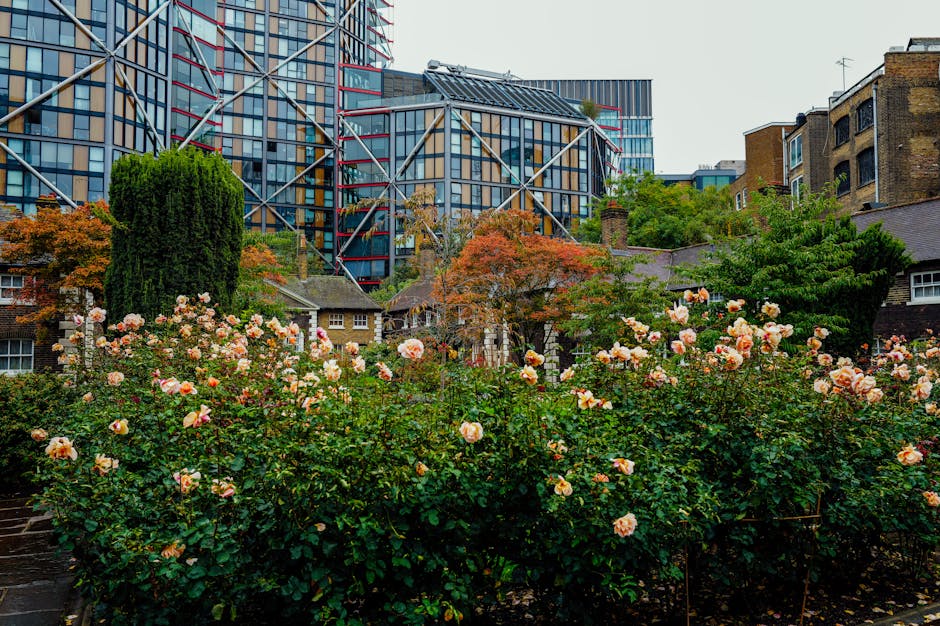
Essex Road garden maintenance by De Beauvoir Town gardeners
Essex Road gardens have a character of their own. Some are compact and tucked behind period homes, some are long and narrow, and some are simply busy little outdoor spaces that need regular attention to stay calm rather than chaotic. That is exactly where Essex Road garden maintenance by De Beauvoir Town gardeners makes a real difference. Instead of a quick tidy-up that looks fine for a week, you get considered upkeep that keeps borders, lawns, hedges, paths, and planting looking healthy through the seasons.
In practice, good maintenance is not glamorous work. It is the steady, unglamorous stuff that prevents a garden from tipping into that familiar "I'll sort it next weekend" cycle. And let's face it, next weekend often turns into next month. This guide explains what local garden maintenance involves, why it matters on Essex Road, how a professional service typically works, and what to expect if you want a garden that feels looked after rather than merely cut back.
Why Essex Road garden maintenance by De Beauvoir Town gardeners Matters
Essex Road sits in a part of London where outdoor space is valuable, visible, and often squeezed into tight layouts. That makes maintenance less about "making it pretty" and more about protecting the garden's structure, plant health, and everyday usability. A neglected border can become weed-heavy very quickly. A hedge left too long can swallow light. A lawn in shade can thin out and become patchy. None of that happens overnight, but once it starts, it gets expensive in time and effort.
Local maintenance matters because gardens in this part of London tend to face a mix of pressures: shade from neighbouring buildings, wind corridors between properties, compact soil, foot traffic, and the occasional storm that arrives sounding far more dramatic than the forecast suggested. A gardener who works regularly in the area will recognise these patterns and plan around them, not just react when things go wrong.
There is also a small but important design point. A well-kept garden can make a home feel larger, calmer, and more cared for. That is especially true in urban settings where the garden is doing a lot of work: privacy, storage, family use, relaxation, and sometimes a bit of everything. If you want ideas that support a lower-effort garden over time, these low-maintenance gardening tips are a sensible starting point.
How Essex Road garden maintenance by De Beauvoir Town gardeners Works
Good maintenance is usually built around regular visits and a clear seasonal plan. The exact service will vary, but the structure is fairly consistent: inspect the space, prioritise urgent work, complete the agreed tasks, and leave the garden in a manageable state for the next visit. Sounds simple. In reality, the value is in the judgement call.
For example, a gardener may notice that one side of a hedge is over-exposed to wind, or that a patch of lawn needs aeration rather than repeated mowing. They may spot that soil is compacted near a path, or that a climber has started crowding a wall and needs training instead of harsh cutting. These are the small calls that keep a garden healthy rather than merely tidy.
Typical maintenance can include:
- Lawn mowing and edging
- Weeding and border clearing
- Hedge trimming and reshaping
- Pruning shrubs and light tree work
- Plant care, deadheading, and seasonal refreshes
- Leaf clearance and green waste removal
- Path, patio, and decking clean-downs
- Basic repair awareness, such as unstable fence panels or broken plant supports
For more formal hedge work, the dedicated hedge trimming service in De Beauvoir Town can be a useful complement to routine maintenance, particularly where privacy hedging is part of the garden's layout.
Most importantly, maintenance should follow the garden's pace, not force the same routine onto every space. A sunny front garden with herbs and perennials behaves very differently from a shaded courtyard or a long rear garden with mature shrubs. Good gardeners adapt. That is the whole game, really.
Key Benefits and Practical Advantages
The obvious benefit is visual. A maintained garden looks cleaner, more intentional, and easier to enjoy. But the real value goes deeper than appearance. When maintenance is consistent, plants get more light, airflow, and room to grow properly. That reduces disease pressure and lowers the risk of a full reset later on.
Here are the practical advantages most homeowners notice first:
- Less catch-up work: regular visits stop jobs from stacking up into one exhausting overhaul.
- Healthier planting: pruning, feeding, and weeding on time helps plants stay stronger.
- Better use of space: paths stay clear, seating areas feel inviting, and borders do not spill over.
- Improved privacy: controlled hedges and climbers can screen views without becoming bulky or untidy.
- Safer surfaces: mossy paths, slippery decking, and cluttered steps are easier to manage.
- More predictable costs: maintenance tends to be easier to budget for than large one-off repairs.
There is also a quieter benefit that people sometimes forget. A maintained garden is simply easier to inhabit. You notice the birds first thing in the morning, the smell of cut grass after a dry spell, the way a clipped border makes the whole yard feel wider. Small things, but they add up.
If your outside space is more about structure and less about planting, you may also find value in planning a more comfortable seating area alongside routine upkeep. Maintenance and layout tend to work best when they support each other.
Who This Is For and When It Makes Sense
This kind of service suits a surprisingly wide range of people. Some clients want weekly support because they enjoy the garden but do not have the time or mobility for the heavier tasks. Others only need a seasonal reset after the weeds have had a bit too good a summer. Both are valid. No judgement.
It often makes sense if you are:
- A homeowner who wants a consistently neat outdoor space
- A landlord or property manager keeping a rental garden presentable
- A busy family who wants the garden safe and usable, not just "tidied sometimes"
- A new resident settling into a garden with established shrubs or awkward problem areas
- Someone recovering a neglected space and needing a structured plan
- A person with limited time, energy, or confidence to handle pruning and regular upkeep
It is especially sensible when the garden starts showing familiar warning signs: weeds returning after every rain, hedges going uneven, the lawn thinning near shade, or patio edges getting slippery. Those are all early signals that maintenance would save work later.
If your garden feels like it is drifting rather than developing, you might also benefit from reading where to start with a neglected garden. That's often the moment people realise they need a plan, not just a mower.
Step-by-Step Guidance
Here is a straightforward way to think about a proper maintenance process. It is not fancy, but it works.
- Assess the garden honestly. Identify what is urgent, what is cosmetic, and what can wait. A cracked lawn edge and a runaway hedge are not the same job.
- Set priorities. Safety issues, access problems, and plant health come before decorative work. Dead branches, slippery surfaces, and congested pathways should move to the top of the list.
- Clear the obvious clutter. Remove fallen material, broken pots, tired annuals, and anything blocking proper access. It is amazing how much better a garden feels after this alone.
- Deal with weeds properly. Pull the roots where possible, use mulch where appropriate, and avoid leaving seed heads to spread. For practical advice, the guide on effective weed control is worth a look.
- Work the lawn in stages. Mow, edge, rake, and check for patchy areas or compacted soil. If needed, consider a more focused lawn care plan rather than treating the turf as an afterthought.
- Trim hedges and shrubs with shape in mind. Don't just shave everything flat. Look at light, privacy, growth habit, and future size.
- Refresh soil and planting. Add compost, mulch, or organic matter where needed. Healthy soil changes everything, truth be told.
- Check structures and hard surfaces. Paths, decking, fences, and patios often reveal small issues once the plants are under control. If surfaces need attention, related services like patio cleaning or decking services may come into play.
- Set the next visit before leaving. This is the bit people skip. A good maintenance cycle only works if the next step is already clear.
For many Essex Road gardens, the biggest difference comes not from a dramatic makeover but from doing these steps regularly. Little and often. Boring, yes. Effective, absolutely.
Expert Tips for Better Results
After enough seasons working in city gardens, a few patterns become obvious. Some are about plant health, some about efficiency, and some about plain old avoiding headaches.
- Trim for future growth, not just today's outline. A hedge cut too tightly can look neat for a moment and then become awkward very quickly.
- Use mulch strategically. It suppresses weeds, holds moisture, and makes beds look finished. It also quietly saves time, which is always nice.
- Leave room for airflow. Many small urban gardens suffer from damp shade. Good spacing helps reduce fungal issues and keeps plants happier.
- Choose planting that matches the site. A beautiful plant in the wrong place becomes a maintenance problem. That's just how it is.
- Think in layers. Ground covers, shrubs, climbers, and small accents can reduce bare soil and lower upkeep. For ideas, ground covers for UK gardens can be surprisingly useful.
- Plan for winter before winter arrives. A small bit of protection in late autumn can save a lot of spring disappointment. The guide on protecting plants from winter weather is a sensible reference point.
- Do not ignore wind exposure. Essex Road and nearby streets can funnel gusts through narrow spaces. Planting and screening should account for that. Wind minimisation strategies can make a surprising difference.
One small thing we often see: people prune too aggressively after a long gap, hoping to catch up in one go. It usually creates more mess than progress. Light correction, then follow-up. Much better.
If you like practical gardening know-how in general, a quick browse of must-have gardening tools can also help you decide what should be handled professionally and what is worth keeping on hand at home.
Common Mistakes to Avoid
A lot of garden trouble comes from good intentions carried out at the wrong time. No drama, just the usual human pattern.
- Cutting hedges at the wrong point in the season. This can reduce flowering, disturb nesting birds, or leave new growth exposed. Timing matters.
- Overfeeding plants. More fertiliser is not always better. Sometimes it pushes soft growth that is more prone to damage.
- Leaving weeds until they seed. By then, you are not weeding; you are funding next month's work.
- Ignoring drainage problems. Repeated puddling, moss, or soggy soil often signals an underlying issue.
- Using the same approach everywhere. A sunny border, shaded path edge, and compact courtyard each need different treatment.
- Choosing plants purely for appearance. Pretty is fine. But if the plant hates the site, maintenance becomes a chore.
- Skipping basic safety checks. Loose paving, hidden trip points, and unstable branches are not worth brushing aside.
A lot of these mistakes are preventable with a routine eye and a sensible seasonal plan. That is one of the main advantages of professional maintenance: the awkward stuff gets noticed before it becomes a problem.
Tools, Resources and Recommendations
You do not need a shed full of expensive gear to keep a garden in good shape, but the right tools make maintenance faster, safer, and more consistent. A solid set usually includes pruning shears, a hedge trimmer, a rake, a lawn mower, gloves, a hand fork, and a weeding tool. For larger or more technical work, the right equipment matters even more. There is a reason experienced gardeners do not improvise with blunt tools and wishful thinking.
Where useful, maintenance can be supported by specialist services rather than one all-purpose visit. For example:
- lawn mowing for a cleaner, more regular finish
- garden maintenance for ongoing care across the whole space
- general gardening services when the garden needs several tasks at once
- tree surgery for trees that need more than basic pruning
- fencing if boundary repairs are part of the job
- landscaping when you want maintenance to support a wider redesign
For planting ideas that reduce routine workload, evergreen climbers, shade-tolerant plants, and compact herbs can be useful in smaller London gardens. If you are looking to fill awkward corners or vertical spaces, evergreen climbers for shady spots and herb garden ideas are practical places to start.
A small note on waste: regular green waste removal and composting habits can make maintenance cleaner and more sustainable. If you want to go further on that side, how organic waste supports soil health explains the basic value plainly.
Law, Compliance, Standards, or Best Practice
Garden maintenance is not usually a heavily regulated activity in the way construction or electrical work might be, but there are still sensible standards and duties to respect. Safe working practices matter, especially where ladders, hedge cutting, power tools, or larger branches are involved. If a garden contains mature trees, boundary structures, or tight access, caution is not optional.
Best practice typically includes:
- Working with appropriate protective equipment
- Keeping pathways clear while work is underway
- Using tools correctly and maintaining them properly
- Identifying hazards before cutting, lifting, or climbing
- Taking care around neighbours, shared access points, and parked vehicles
For clients, trust is also part of compliance in the broad sense. Clear service terms, fair payment handling, and a transparent complaints route all matter. It is reassuring to know that practical business pages such as insurance and safety, health and safety policy, terms and conditions, payment and security, and complaints procedure are available when you want to understand how things are handled.
On the privacy side, it is also sensible for any local service to be clear about data and cookies. The pages for privacy policy, cookie policy, and accessibility statement help show that the basics are being taken seriously. Not exciting, perhaps, but very worthwhile.
Options, Methods, or Comparison Table
If you are deciding how to handle your garden, it helps to compare the main approaches rather than assuming one answer fits every space. Some gardens need regular light-touch maintenance. Others need one-off recovery work first, then ongoing care. Here is a simple comparison.
| Approach | Best for | Strengths | Watch-outs |
|---|---|---|---|
| Regular maintenance visits | Established gardens that need consistency | Keeps work manageable; prevents build-up; predictable | Requires a schedule and ongoing commitment |
| Seasonal tidy-ups | Gardens that mainly need spring and autumn attention | Good for lower-use spaces; less frequent booking | Can still allow weeds and growth to get ahead |
| One-off restoration | Neglected gardens or major overgrowth | Fast improvement; clears the backlog | Often needs follow-up care to hold the result |
| Targeted services | Specific issues like hedges, lawns, paving, or trees | Efficient and focused | May not solve broader garden decline alone |
In many Essex Road gardens, the best option is a mix: a one-off reset, then regular maintenance, with specialist help brought in when needed. That keeps the garden looking good without turning every visit into a battle.
Case Study or Real-World Example
Imagine a modest rear garden off Essex Road: lawn at the centre, borders along both sides, one mature hedge for privacy, and a narrow patio used for morning coffee. On paper, simple. In real life, it has all the usual urban-garden problems. The hedge is leaning slightly into the light, weeds are working through the border edges, and the patio has picked up a film of grime after a damp spell.
The first visit focuses on clearing, shaping, and making the space usable again. The lawn is cut and edged. The hedge is reduced carefully rather than hacked. Weeds are removed from the border, then mulch is added to slow them down. The patio gets cleaned so the space looks brighter and feels safer underfoot. By the second visit, the job is no longer about rescue; it is about steady upkeep.
What changed? Not just appearance. The garden becomes easier to use, easier to enjoy, and easier to maintain. That is the part people often underestimate. Once the structure is under control, the garden stops asking for emergency attention every few weeks. It behaves. More or less.
This is also where a thoughtful local service matters. A gardener familiar with De Beauvoir Town and the surrounding streets will know how shade, wind, and narrow access affect the work. They will not treat a small courtyard like a suburban lawn, which sounds obvious but is actually a big deal.
Practical Checklist
Use this quick checklist before booking or during your own routine review. It keeps the conversation focused and helps avoid missed details.
- Is the lawn just untidy, or does it need repair and feeding as well?
- Are hedges being maintained for privacy, shape, or both?
- Do the borders have a weed problem that needs root removal and mulching?
- Are there any overgrown shrubs blocking light or access?
- Do paths, decking, or patios need cleaning to reduce slips and staining?
- Are there branches or tree areas that need specialist attention?
- Is the garden affected by shade, wind, or poor drainage?
- Would regular maintenance be better than occasional rescue work?
- Do you need help with waste removal after the work is done?
- Is there a budget in mind for ongoing care rather than only one-off fixes?
Expert summary: the best Essex Road garden maintenance is the kind that quietly prevents problems, not just the kind that makes a space look tidy for a photo. Consistency, site awareness, and the right mix of routine and specialist work usually deliver the best result.
Get a free quote today and see how much you can save.
Conclusion
Essex Road garden maintenance by De Beauvoir Town gardeners is, at its best, a practical partnership. You bring the space and the goals. The gardener brings the local know-how, the routine, and the judgement that keeps everything moving in the right direction. That combination matters more than a dramatic one-off makeover ever will.
If your garden is starting to feel heavier work than pleasure, the answer is usually not more effort from you alone. It is a clearer plan, a steadier rhythm, and a bit of local expertise applied where it will actually help. Small maintenance jobs, handled properly, change the whole feel of a garden. One neat hedge. One clear path. One border that stays under control. Then another, and another.
And when the evening light catches a tidy border or a freshly cut lawn on an ordinary weekday, it all feels worth it. Quietly, properly worth it.
Frequently Asked Questions
What does Essex Road garden maintenance usually include?
It normally covers mowing, edging, weeding, hedge trimming, shrub care, seasonal tidy-ups, and light clearance. Some gardens also need patio cleaning, waste removal, or targeted pruning depending on how the space is used.
How often should a garden on Essex Road be maintained?
That depends on the garden's size, planting, and how quickly it grows. Many urban gardens benefit from regular visits through the growing season, while some smaller spaces may only need monthly or seasonal attention.
Is regular maintenance better than a one-off tidy?
Usually yes, if you want the garden to stay manageable. A one-off tidy can reset the space, but regular maintenance prevents weeds, overgrowth, and patchy areas from coming back so quickly.
Can you help with a neglected garden?
Yes, neglected gardens often start with a clearance and recovery visit before moving into ongoing care. If a space has got out of hand, a staged approach is usually the least stressful way back.
Do I need hedge trimming as a separate service?
Sometimes. If hedges are central to privacy or structure, specialist hedge trimming can be useful alongside general maintenance. It helps keep growth even and prevents hedges from becoming too bulky or top-heavy.
What if my garden has a lot of shade or wind?
That is common in London gardens, and it changes the maintenance approach. Shade, wind, and poor airflow all affect plant choice and pruning style. The garden may need tougher planting, more careful watering, and better shelter planning.
How do I know whether I need lawn care or just mowing?
If the grass is simply long, mowing may be enough. If it is patchy, mossy, compacted, or thinning, then more focused lawn care is usually the better option. A good gardener will spot the difference quickly.
Will garden maintenance include waste removal?
It often can, depending on the service arrangement. Green waste, hedge cuttings, and general debris are commonly cleared as part of maintenance, but it is sensible to confirm this in advance.
Are patio and decking cleaning useful during maintenance visits?
Yes, especially in damp or shaded gardens where algae and grime build up quickly. Clean surfaces make the garden safer and more inviting, and they can improve the overall feel of the space more than people expect.
How do pricing and quotes usually work?
Pricing is generally based on the size of the garden, the amount of work needed, access, and whether the job is routine or a larger clearance. A clear quote should explain what is included, so you know exactly what you are paying for.
Is it worth booking a service if I only need small jobs done?
Absolutely. Small jobs have a habit of piling up, and it only takes a few missed tasks for a garden to feel untidy. A short maintenance visit can often keep everything under control with very little fuss.
How do I get started?
The easiest next step is to request an assessment or quote and explain what is bothering you most: the lawn, the hedges, the weeds, or the general workload. That gives the gardener a clear starting point and helps shape the right plan.
If you are ready to make the garden feel lighter, tidier, and easier to enjoy, the simplest move is to speak to a local team that understands the area and the pace of urban gardens. A good plan is often half the battle.